
NK Cells: The Frontline Warriors of Our Immune System
Immediate Innate Immunological Defense
Harnessing Natural Killer cells to target and eliminate damaged, dysfunctional, or virus-infected cells and strengthen your body's innate immune surveillance.
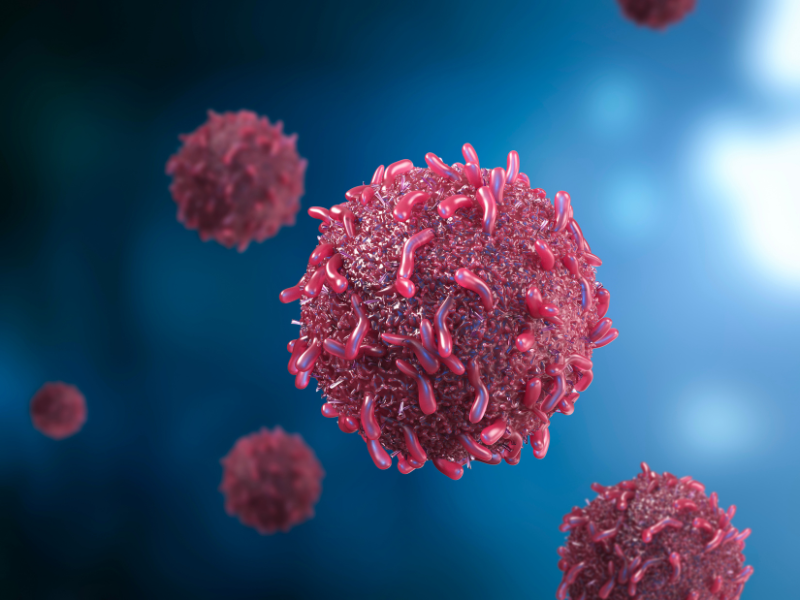
NK cells, also known as natural killer cells, are powerful lymphocytes that play a critical role in the body's innate immune defense. Unlike many other immune cells, NK cells can instantly recognize and destroy virus-infected and cancerous cells without prior activation. Acting as the body's first line of defense, they protect us from infections, tumors, and immune imbalances.
Functions of NK Cells
Targeting Infected Cells
NK cells detect and kill virus-infected or stressed cells by releasing cytotoxic granules.
Cancer Immunity
Natural killer cells act as surveillance agents, eliminating tumor cells before they spread.
Immune System Regulation
NK cells release cytokines like IFN-γ that enhance overall immune response.
Importance of NK Cell Therapy
Immunotherapy Potential
NK cell therapy is being studied for cancer, viral infections, and immune disorders.
Fewer Side Effects
Compared to some treatments, NK cell-based therapies generally have lower adverse reactions.
Personalized Medicine
NK cells can be expanded and activated in labs to create tailored therapies for patients.
How are NK Cells Collected and Processed?
- 1
Apheresis
Blood is collected and NK cells are separated using advanced sorting techniques.
- 2
Expansion & Activation
Cytokines such as IL-2 or IL-15 are used to boost NK cell numbers and activity.
- 3
Quality Testing
NK cells are tested for purity, viability, and potency before clinical use.
Clinical Applications of NK Cell Therapy
- ✓
Blood Cancers
Patients with leukemia or lymphoma may benefit from NK cell infusions to eliminate residual cancer cells.
- ✓
Solid Tumors
Ongoing studies explore NK cells for cancers like breast, lung, and melanoma.
- ✓
Viral Infections
NK cells provide immune support against infections such as cytomegalovirus (CMV).
Steps in NK Cell Therapy Preparation
Donor Selection
Healthy donors are chosen for optimal NK cell yield.
Collection
NK cells are isolated through leukapheresis.
Processing
Cells are purified, expanded, and activated in GMP-certified labs.
Administration
NK cells are infused into patients under clinical supervision.
NK cells (natural killer cells) are essential immune defenders with revolutionary potential in therapy. With advancements in NK cell research, new hope emerges for cancer treatment and immune health.
At Genestac Therapeutics, we are dedicated to advancing NK cell therapy and improving patient outcomes through cutting-edge research and personalized solutions.
Frequently Asked Questions (FAQs)
What makes NK cells different from other immune cells?
Unlike T-cells or B-cells, Natural Killer (NK) cells do not require prior exposure or activation by specific antigens. They can immediately identify and destroy abnormal cells (such as infected or tumor cells) on first contact, acting as the body's rapid-response frontline surveillance.
Is NK cell therapy safe?
Yes, NK cell therapy has a very high safety profile. Whether using autologous cells (your own) or closely matched donor cells, clinical trials show that NK cell infusions are well-tolerated with a very low risk of severe side effects such as graft-versus-host disease (GVHD) or severe cytokine storms.
Can NK cells be used for all cancer types?
NK cells show promising efficacy in blood cancers (leukemia, lymphoma) and various solid tumors (like breast, lung, and ovarian cancers). Ongoing clinical trials are expanding their application to more cancer types, both as standalone therapies and in combination with other treatments.
How are NK cells expanded outside the body?
NK cells are isolated from blood using apheresis, then placed in specialized culture systems containing supportive cytokines (like IL-2 or IL-15). Over a period of 10 to 14 days, the cells multiply exponentially and are activated to enhance their cytotoxic capabilities before being prepared for patient infusion.
Start Your Healing Journey Today
Take the first step towards recovery with our expert team at Genestac Therapeutics — leaders in regenerative medicine.