

CD138+ Plasma Cells: Master Cells of Antibody Production
Advanced Enrichment & Therapeutic Diagnostics
Harnessing CD138+ plasma cell profiling to understand B cell differentiation, antibody secretion, and target chronic inflammatory or myeloma disorders.
CD138, also known as Syndecan-1, is a transmembrane heparan sulfate proteoglycan and a key surface marker of plasma cells. These CD138+ plasma cells represent the final stage of B cell differentiation and are responsible for producing antibodies. They are widely studied in immunology, hematology, and oncology for their crucial role in adaptive immunity and conditions such as multiple myeloma and other plasma cell disorders.
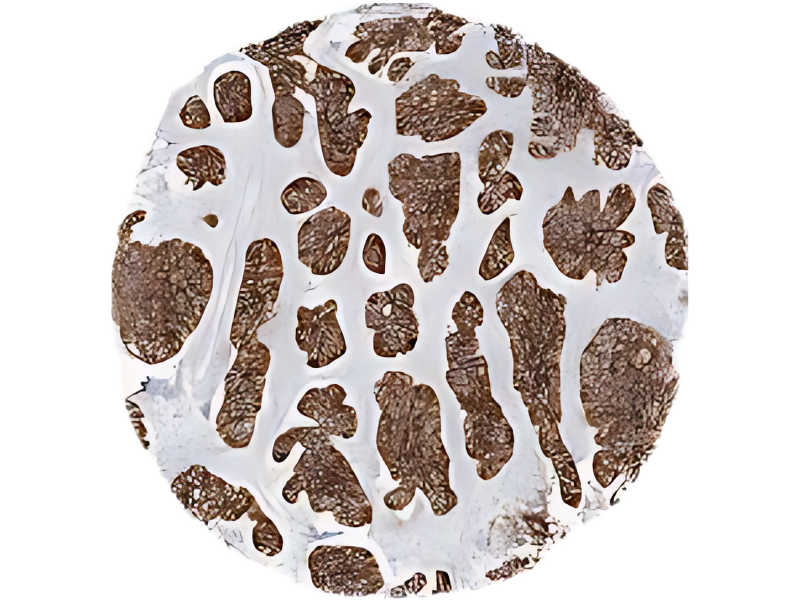
Functions of CD138+ Plasma Cells
Antibody Secretion
CD138+ plasma cells release immunoglobulins (IgG, IgM, IgA), key defenders in immune protection.
Long-Term Immunity
They persist in bone marrow and lymphoid organs, ensuring lifelong immune memory after infections or vaccines.
Immune Regulation
These cells help regulate B cell maturation and enhance memory responses by interacting with dendritic cells and T follicular helper cells.
Clinical Relevance of CD138
Multiple Myeloma Biomarker
CD138 is highly expressed on malignant plasma cells, making it essential in diagnosis and monitoring of multiple myeloma.
Cell Isolation
CD138+ enrichment enables precise plasma cell separation for research and therapeutic antibody development.
Tumor Research
CD138+ cells influence cancer microenvironments and cytokine pathways in myeloma, lymphoma, and carcinoma.
Comparison Table: B Cells vs. CD138+ Plasma Cells
| B Cells | CD138+ Plasma Cells |
|---|---|
| Express CD19, CD20 | Express CD138, lose CD20 |
| Antigen presentation | Antibody production |
| Circulating immune cells | Bone marrow-resident or tissue-based |
Genestac's CD138+ Cell Enrichment Services
At Genestac Therapeutics, we provide GMP-grade isolation and purification of CD138+ plasma cells using advanced MACS and FACS technologies.
Monoclonal Antibody Discovery
Supports cell-line development and screening of candidate therapeutic monoclonal antibodies.
Myeloma & Plasma Disorder Research
Provides high-purity cells to investigate clonal profiles and multiple myeloma cellular pathogenesis.
Immune Profiling in Chronic Diseases
Facilitates longitudinal tracking of antibody-secreting cell populations in chronic infections and autoimmune diseases.
CD138+ plasma cells are central players in the body's defense system, providing antibody production and long-term immunity. Their role as a biomarker in multiple myeloma and potential in targeted therapies makes them highly valuable in medical research and treatment.
At Genestac Therapeutics, we are committed to advancing precision isolation and profiling of plasma cells to help clinicians and researchers develop innovative solutions in immunotherapy, cancer diagnostics, and regenerative treatments.
Frequently Asked Questions (FAQs)
Is CD138 only found in plasma cells?
While CD138 (Syndecan-1) is a primary marker for mature plasma cells, it is also expressed on epithelial cells, embryonic tissue, and some other cell types during specific developmental stages. However, in hematopoietic cells, it is highly restricted to plasma cells.
How is CD138 used in cancer diagnosis?
Because CD138 is abundantly expressed on malignant plasma cells in multiple myeloma, pathologists use immunohistochemistry (IHC) or flow cytometry targeting CD138 to identify, count, and analyze cancer cells, aiding in accurate diagnosis and therapy monitoring.
What role does CD138 play in multiple myeloma?
In multiple myeloma, CD138 acts as a receptor for growth factors like hepatocyte growth factor (HGF) and facilitates cell adhesion to the bone marrow microenvironment, promoting tumor cell growth, survival, and protection from chemotherapy.
How does Genestac support CD138+ research?
Genestac provides high-yield, GMP-grade isolation of viable CD138+ cells from bone marrow or peripheral blood samples using state-of-the-art Magnetic-Activated Cell Sorting (MACS) and Fluorescence-Activated Cell Sorting (FACS) platforms, supporting clinical trials and downstream therapeutic development.
Access Precision Cell Enrichment Solutions
Consult our experts at Genestac Therapeutics to design specialized CD138+ isolation protocols for research and clinical purposes.