Author name: adminbackup

Uncategorized

Can Stem Cell Therapy Cure Diabetes?

Can Stem Cell Therapy Cure Diabetes? What the Science Says For ages, diabetes has been treated as a lifelong condition where the patient had to manage it rather than get cured. However, the area of regenerative medicine is changing that story. Stemming cell therapy is the major technique of this revolution – a method that dares to bring back the natural insulin production and possibly give a functional cure for diabetes. But how far are we from that dream becoming real? So let’s get into discussion how the science sees stem cell therapy for diabetes, its success rates, costs, and challenges. Explore Therapies Grasping the Root Issue To tell if stem cells could be a solution for diabetes, a review of the consequences is a must. In type 1 diabetes (T1D), the beta cells in the pancreas (the cells that make insulin) are destroyed by an aberrant immune reaction. This results in an interruption of the entire cycle of insulin production. Type 2 diabetes (T2D) is different, as it is marked by the slow decline in insulin sensitivity in the body and the eventual inability of the pancreas to produce sufficient insulin for the body’s requirement, which is a distinct case. The end result in both scenarios is a relentless battle against high blood sugar and the necessity for constant care. Traditional methods of treatment—insulin shots, pills, and diet/exercise modifications—are all about alleviating the symptoms. No one is capable of taking the place of the beta cells that have died or been damaged. Stem cell therapy is thus at the forefront with its and a regenerative approach that aims at reviving the body’s natural ability to produce insulin. How Stem Cell Therapy Works for Diabetes Stem cells are astonishing since one of their abilities is to differentiate into diverse specialized cells, beta cells of pancreas included. Different kinds of stem cells have been utilized in research and consist of: Embryonic Stem Cells (ESCs). Induced pluripotent stem cells (iPSCs) – essentially scientists have taken regular adult cells and “rewound” them to act like stem cells again. Mesenchymal stem cells (MSCs) – these cells are harvested from various tissues like bone marrow, fat tissue, or even from umbilical cords. Anyhow, the researchers didn’t just take the cells and throw away them. They actually tinkered with them—engineered them, really—to turn into islet-like cells (think: tiny insulin factories). Then, they implanted those into the patient’s liver or pancreas, hoping that’d jumpstart insulin production. Sort of like installing a mini backup generator in a house where the power keeps going out. No magic wands, just some serious science hustle. In addition to that, the recent technological advancements have opened a new direction of research wherein encapsulation of transplanted cells in protective barriers to prevent the immune system’s attack, which is a common problem in type 1 diabetes, is being considered. Stem Cell Therapy for Type 1 Diabetes: Success Rate and Research The development of stem cell therapy for type 1 diabetes is quite positive. In Brazil, a randomized controlled trial consisting of 21 adults with type 1 diabetes was conducted and stem cell transplantation was used as a method to reprogram the immune system. According to the results, over 80% of study participants were not taking insulin at all for a period of at least two years and one of the subjects was off insulin for more than eight years. (Source: Stem Cell Research & Therapy Journal, 2024 — stemcellres.biomedcentral.com) The VX-880 trial conducted by Vertex Pharmaceuticals was an important event in the area of drug development. The previous research had focused on the transplantation of human islet cells, derived from stem cells, into patients with the most difficult case of type 1 diabetes. The results were fantastic as a few patients in the trial gained a chance to significantly cut down or sto         p completely their insulin injections. (Source: Diabetes.org Press Release, 2025) Although the mentioned trials are very positive for the future of stem cell therapy, experts caution that we are still in the testing stages. There are still questions regarding the immune safety and long-term durability of transplants. Nevertheless, the continuous success of stem cell therapy for diabetic patients, evidenced by the range of partial to full insulin independence, has been a significant factor in demonstrating that regenerative treatment is not merely a theoretical hope. Stem Cell Therapy for Type 2 Diabetes: Where Does It Stand? The case with type 2 diabetes is not only about the death of cells but also the body’s refusal to accept insulin. In this scenario, the use of stem cell therapy is directed at both the repair of pancreatic cells and the regulation of insulin sensitivity. So far, there has been some evidence from clinical studies as well as a few observational studies that show blood glucose control may be improved, HbA1c levels may decrease, and a small proportion of the individuals in these studies could be insulin independent. A meta-analysis published in 2021 in Frontiers in Endocrinology showed that patients receiving mesenchymal stem cell therapy had significantly improved glucose tolerance and pancreatic function than patients that were on standard care. (Source: Frontiers in Endocrinology, 2021) It is worth noting that the likelihood of variability and success of stem cell therapy for type 2 diabetes is still quite low in comparison to type 1 diabetes. A great part of this is due to insulin resistance—which is the most defining feature of type 2 diabetes—cholesterol of correction. Though research is underway, using stem cells with anti-inflammatory and metabolic drugs may lead to better outcomes down the line. What is the Cost of Stem Cell Therapy for Diabetes? Although treatment is effective, stem cell therapy for diabetes is still not cheap. Due to most treatments being in the trial phase, prices differ according to place, type of treatment, and clinic reputation. Here’s a usually followed pattern: India: ₹4–12 lakhs per session (for authorized clinical programs). Mexico / Thailand: From USD 8,000−8,000−15,000. United States / Europe: From USD 25,000−25,000−50,000. For

IV drip therapy - Genestac Therapeutics
Therapies

IV Drip Therapy in Gurugram – Benefits, Procedure, and Cost

IV Drip Therapy in Gurugram – Benefits, Procedure, and Cost IV drip therapy is one of the quickest-growing wellness therapies in Gurugram and India. It is a medical treatment that injects fluids, vitamins, minerals, and medications directly into your blood. Unlike oral supplements, IV therapy bypasses the digestive system, which enables your body to absorb nutrients in full and quickly, providing instant effects. At Genestac Therapeutics, we provide expert, safe, and personalized IV drip therapy sessions to keep you hydrated, energized, and healthy. Whether you wish to enhance immunity, replenish dehydration, or enhance overall wellness, our IV drips are formulated to suit your requirements. Explore Therapies What is IV Drip Therapy? IV drip therapy, also known as intravenous therapy, involves administering fluids or nutrients directly into your veins. The fluids may include saline, vitamins, minerals, electrolytes, or medications depending on the purpose of the therapy. A trained healthcare provider inserts a cannula (a thin, flexible tube) into a vein in your arm, hand, or wrist. The cannula is attached to an IV bag of treatment solution, which drips slowly into the bloodstream. Since IV drip therapy avoids the digestive system, your body absorbs more nutrients, which makes it particularly helpful for individuals with digestive disorders, malnutrition, exhaustion, or dehydration. Get Free Consultation How IV Drip Therapy Works IV therapy delivers the fluids and nutrients into the bloodstream directly, thus your body can utilize them right away. IV therapy provides the highest absorption of vitamins and minerals compared to taking oral supplements that are digested through the stomach and intestines. A typical IV drip solution will have: Saline solution – hydration and maintaining electrolyte balance Electrolytes – potassium, magnesium, calcium, and sodium to promote body functions Vitamins – B-complex, vitamin C, and other essential vitamins Optional additives – antioxidants, amino acids, or medications based on your medical requirement Our physicians at Genestac Therapeutics assess your health and prescribe the appropriate IV combination to treat your particular issues. Types of IV Therapy 1. IV Fluid Therapy IV fluid therapy is used predominantly for the treatment of dehydration or electrolyte balance restoration. Normal circumstances under which IV fluid therapy proves beneficial include: Heat exhaustion Severe vomiting or diarrhea Hangovers Post-workout recovery This treatment enables your body to rehydrate rapidly, which is much quicker than sports drinks or water. Get Therapies Price List 2. IV Vitamin Therapy IV vitamin therapy injects high doses of vitamins and minerals directly into your blood. The most used formula is the Myers’ Cocktail, which consists of: Magnesium Calcium Vitamin B6, B12, B5, B complex Vitamin C Other IV vitamin therapy options include: IV magnesium sulfate – helpful for acute asthma or muscle cramps IV selenium – supports critically ill patients IV vitamin C – used alongside cancer treatments to reduce fatigue and improve recovery Patients have reported increased energy, concentration, and hydration after only one treatment. IV vitamin therapy is also applied for recovery from illness, enhanced immunity, and general well-being. Compare Therapies Price 3. Specialized IV Drips Some IV therapies are tailored to particular wellness objectives, including: Immunity Drip – works to boost the immune system Detox and Hangover Drip – removes toxins and rehydrates Beauty and Skin Glow Drip – contains vitamins and antioxidants to promote healthy skin   All IV drips at Genestac Therapeutics are tailored to your health evaluation.  Get Therapies Price List Benefits of IV Drip Therapy IV drip therapy offers numerous benefits that make it increasingly popular among wellness seekers: Rapid Hydration and Nutrient Delivery IV therapy delivers fluids and nutrients directly to your bloodstream, providing instant hydration and replenishment. This is ideal for athletes, travelers, or anyone recovering from illness.   Maximum Nutrient Absorption Since IV therapy bypasses the digestive system, your body can absorb 100% of vitamins and minerals, unlike oral supplements, which lose potency during digestion.   Energy and Immunity Boost Patients often report improved energy levels, enhanced immunity, and reduced fatigue after a few sessions.   Convenient and Efficient A single IV session can replace multiple oral supplements. The cannula stays in place during the session, reducing repeated needle pricks.   Customizable Treatments IV therapy can be tailored to individual needs, whether for hydration, nutrient replenishment, recovery, or chronic conditions.   Supports Overall Wellness Regular IV drip therapy may help improve skin health, mental clarity, and physical performance.   Recent Success Results Procedure – What to Expect Here’s what happens during a typical IV drip therapy session: The healthcare professional will assess your veins and choose the optimal location, typically in the arm, wrist, or hand. The skin is cleaned and a cannula is put into the vein. The IV bag is attached and the solution begins to drip slowly into the blood. The medical practitioner watches over the flow and checks for discomfort, swelling, and irritation during the session. When the session is over, the cannula is taken out, and pressure is applied to the area to avoid bleeding. A standard session is 30–60 minutes, depending on the kind of drip and your health requirement. Risks and Side Effects IV therapy is generally safe when administered by trained professionals. However, some risks may include: Minor bruising, swelling, or redness at the insertion site Inflammation of the vein if the IV is left in for too long Allergic reactions to medications or adhesive tape Rare complications like blood clots, infections, or tissue damage At Genestac Therapeutics, our certified professionals adhere to strict safety standards to eliminate risks. We also review your medical history, prescription drugs, and vitamin levels prior to developing your IV drip regimen. Who Can Use IV Drip Therapy? IV therapy is suitable for: Those with dehydration or electrolyte deficiency Individuals with fatigue or lack of energy Patients recovering from illness, surgery, or hangovers Individuals with digestive conditions that restrict nutrient absorption Anybody looking for immune support, wellness, or beauty boost Get Your Free Eligibility Check Cost of IV Drip Therapy in Gurugram The price of IV drip therapy in Gurugram is variable based on

Stem Cell Therapy & CRISPR Gene Editing for Cancer - Genestac Therapeutics
Cancer Treatment

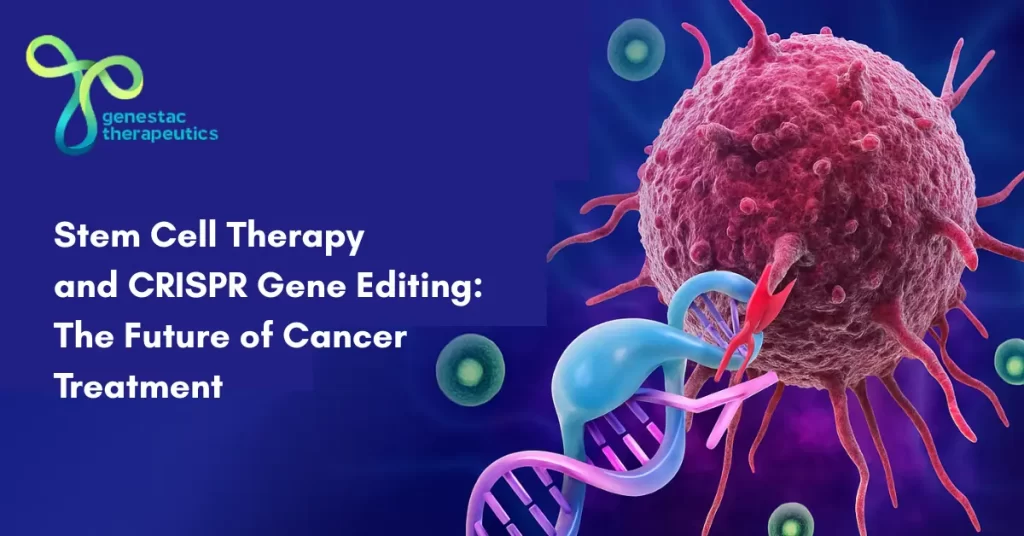
Stem Cell Therapy and CRISPR Gene Editing: The Future of Cancer Treatment

Stem Cell Therapy and CRISPR Gene Editing: The Future of Cancer Treatment Introduction Cancer remains one of the most complex and dangerous diseases in the world. Most people undergo chemotherapy, radiation, or surgery for treatment. While these methods provide relief for many patients, the truth is that they have significant side effects and long-term results are not always positive. Meanwhile, in recent years, new hope has emerged in cancer treatment. Advanced technologies like stem cell therapy and CRISPR gene editing are no longer limited to research, but are making cancer treatment more precise and personalized. Doctors and experts believe that these advanced treatments will determine the future of cancer treatment. Explore Therapies What is Stem Cell Therapy for Cancer? Stem cell therapy for cancer is considered an emerging treatment. It utilizes stem cells, which have the ability to transform into different types of tissues. This makes them helpful in repairing damaged areas of the body or delivering drugs directly to tumors. Recently, Calidi Biotherapeutics developed a new treatment called CLD-201. This is a stem cell-based oncolytic virus specifically designed to target and destroy cancer cells. Given its unique properties, the FDA has designated it a “Fast Track Cancer Therapy,” which could revolutionize cancer treatment in the future. The advantage of this type of stem cell-based treatment is that it can target tumors more precisely. This means it may have fewer side effects compared to traditional methods like chemotherapy or radiation. Additionally, if CRISPR gene editing is added, these stem cells can be further advanced, enabling them to attack cancer cells more effectively than before. Get Free Consultation CRISPR Gene Editing: Redefining Cancer Treatment CRISPR gene editing is considered one of the greatest breakthroughs in modern medicine. It can be considered a kind of molecular scissors, capable of making highly precise changes to DNA. It can be used to correct genetic defects that cause cancer. It also strengthens our immune cells, empowering them to recognize and eliminate tumors. The most commonly used technology is CRISPR Cas9. In this technique, a protein called Cas9 cuts DNA at the precise location, allowing the necessary editing to be done. CRISPR is currently being used in several clinical trials. Gene editing alters a patient’s T-cells in a way that significantly increases their ability to fight cancer. For example, certain genes, such as CISH, that normally suppress the immune system, are removed. This allows these cells to attack cancer more effectively. In this way, CRISPR is transforming cancer treatment from a general approach to highly personalized and targeted therapy. This has two major advantages—improved treatment outcomes and reduced damage to healthy cells. Know More CRISPR Cancer Treatment vs Traditional Cancer Therapy Traditional cancer therapies often affect both healthy and diseased cells, resulting in serious side effects such as hair loss, fatigue, and weakened immunity. In contrast, CRISPR gene editing and CRISPR Cas9 cancer treatments target only malignant cells, sparing healthy tissue. By modifying immune cells or cancer-related genes, CRISPR technology provides a highly targeted therapy that increases effectiveness while reducing risks. Furthermore, combining stem cell therapy for cancer with CRISPR gene editing can have a dual effect: stem cells can deliver therapeutic agents to the tumor, while CRISPR-enhanced immune cells actively destroy cancer cells. This synergy represents a revolutionary step in the future of cancer treatment. Immunotherapy for Cancer and CRISPR Technology Immunotherapy is considered one of the most promising options for cancer treatment today. It activates the patient’s own immune system so that it can recognize and directly attack cancer cells. If this therapy is combined with CRISPR gene editing and stem cell therapy, its effectiveness is even stronger. In fact, gene editing can alter immune cells so that they recognize cancer cells more accurately and survive longer in the body. The combination of these three—CRISPR, immunotherapy, and stem cells—is working toward creating a personalized treatment strategy for cancer patients. The advantage is that treatment may be more effective and side effects may be reduced. Initial research suggests that this approach may prove superior to traditional cancer treatments, especially for cancers that are very aggressive or that repeatedly return despite standard treatment. Patient Benefits and Real-World Impact Patients undergoing stem cell based cancer treatment combined with CRISPR gene editing may experience several advantages: Targeted Treatment: Only cancer cells are attacked, reducing collateral damage.   Enhanced Immune Response: CRISPR-modified immune cells are stronger and more effective.   Fewer Side Effects: Less damage to healthy tissues compared to traditional cancer therapy.   Potential Long-Term Remission: Early studies suggest longer-lasting outcomes due to genetic and cellular precision.   Personalized Care: Treatments can be tailored to the patient’s specific genetic profile, tumor type, and immune system.   By highlighting these benefits in patient communication, clinics can improve engagement while educating patients about the potential of these therapies. Recent Success Stories Global Research and Clinical Trials Research in CRISPR gene editing and stem cell therapy is advancing rapidly. Some notable studies include: CLD-201 trials in the U.S., which combine stem cell delivery with oncolytic viruses. CRISPR Cas9 gene editing clinical studies for blood cancers, where T-cells are modified to attack tumors more effectively. Ongoing research into CRISPR human gene editing to enhance immunotherapy outcomes. These trials demonstrate the potential of these therapies to transform the future of cancer treatment, offering safer, more effective, and potentially curative options for patients worldwide. Immunotherapy Cost and Accessibility Cancer treatment is not only a medical challenge, but its cost is also a significant issue. Globally, immunotherapy can cost millions of dollars. While its cost in India is slightly lower, it still proves to be prohibitively expensive for many patients. As advanced technologies like CRISPR gene editing and stem cell therapy advance, scientists and doctors aim to make these treatments more affordable and readily available. If these therapies are adopted on a large scale, the biggest benefit will be that advanced cancer treatment will no longer be limited to wealthy countries, but will become accessible to more people across all walks of life. This

Stem Cell Therapy for Back pain Treatment - Genestac Therapeutics
Back Pain

How Stem Cell Therapy Treats Back Pain Naturally: Non-Surgical Solutions at Genestac

How Stem Cell Therapy Treats Back Pain Naturally: Non-Surgical Solutions at Genestac Millions of people around the world struggle with back pain. It’s one of the most common health problems and can make everyday tasks difficult. Traditional treatments often include medications, physiotherapy, and surgery. However, stem cell therapy is a revolutionary approach that targets the root cause of pain rather than masking it. At Genestac Therapeutics, we offer innovative, non-surgical solutions. Our goal is to help patients regain mobility, reduce pain, and improve their quality of life. Understanding Back Pain and Its Causes Back pain can be caused by a herniated disc, degenerative disc disease, spinal cord injury, or chronic inflammation. Conventional treatments often provide only short-term relief. Although surgery may be helpful in some cases, it carries risks such as infection and nerve damage. This is where stem cell therapy comes in. This treatment uses the body’s natural healing abilities to safely and effectively repair damaged spinal tissue. Explore Therapies What is Stem Cell Therapy for Back Pain? Stem cell therapy for back pain is a regenerative procedure that repairs spinal tissue using stem cells from the patient’s own body, typically bone marrow or fat. These stem cells can transform into various types of cells, such as cartilage and nerve cells, which are vital for spinal health. Unlike medications that simply mask pain, stem cell therapy promotes actual healing. It can provide lasting relief by reducing inflammation and restoring spinal cord function over time. How Stem Cell Therapy for Back Pain Works At Genestac Therapeutics, we customize stem cell therapy for back pain. Each patient undergoes a thorough evaluation, including imaging tests and a physical examination, to determine the best treatment plan. Here’s how the process works: Consultation and Diagnosis: Our specialists review imaging results and assess the patient’s back pain history. Stem Cell Harvesting: We carefully extract stem cells from the patient’s bone marrow or fat using minimally invasive methods. Processing and Activation: In our lab, we process the stem cells to enhance their regenerative abilities. Targeted Injection: We inject the stem cells into damaged spinal areas to promote natural tissue repair. Recovery and Rehabilitation: Patients receive a tailored rehabilitation program to support spinal health and improve outcomes. Benefits of Stem Cell Therapy for Back Pain Choosing stem cell therapy for back pain offers several advantages over traditional methods: Non-Surgical: Avoids risks linked to invasive surgery. Natural Healing: Boosts the body’s own repair systems. Minimally Invasive: Uses small injections, leading to quicker recovery. Pain Reduction: Addresses the root cause, not just symptoms. Improved Mobility: Enhances spinal function and flexibility. Long-Term Results: Provides lasting relief from chronic pain. This makes stem cell treatment a compelling option for those seeking a natural solution. Who Can Benefit From Stem Cell Therapy? Stem cell therapy for back pain is ideal for patients with: Herniated or degenerated discs Chronic lower or upper back pain Spinal injuries Age-related spine degeneration Unsuccessful conventional treatments A thorough evaluation by our back pain specialists ensures the treatment is safe and effective. Book a Free Consultation Supportive Treatments at Our Back Pain Clinic At Genestac, we pair stem cell therapy with other spine therapy techniques to enhance recovery. These may include: Physiotherapy and exercise programs to build spinal strength Pain management strategies for temporary relief Lifestyle advice for long-term spine health This holistic approach helps patients reduce pain and maintain spinal wellness over time. Why Choose Genestac for Stem Cell Treatment? Our stem cell therapy for back pain clinic features advanced facilities led by experienced doctors in regenerative medicine. When you choose Genestac, you gain: Personalized care tailored to your back pain Advanced stem cell therapy supported by clinical research Minimal downtime with a focus on natural healing Ongoing follow-ups to track progress and ensure the best results Final Thoughts Chronic back pain can significantly impact your life, but surgery or long-term medication isn’t always necessary. By addressing the root cause, stem cell therapy offers a safe, natural, and effective alternative. Our team at Genestac Therapeutics is committed to providing personalized back pain treatment. We help patients regain mobility, reduce pain, and live healthier, more active lives through holistic spine medicine and regenerative stem cell treatment. If you suffer from chronic back pain, speak with one of our experts at Genestac and learn how stem cell therapy for back pain can naturally improve your spinal health. FAQs on Stem Cell Therapy for Back Pain What is stem cell therapy for back pain? Stem cell therapy is a regenerative treatment that uses the body’s own cells to repair damaged spinal tissue, reduce inflammation, and promote natural healing without surgery. Is stem cell therapy safe for treating back pain? Yes. Since stem cells are taken from the patient’s own body, the risk of rejection or serious side effects is minimal. It is considered safe when performed by trained specialists. How is stem cell therapy different from surgery? Unlike surgery, stem cell therapy is minimally invasive and uses targeted injections to repair spinal tissue. It avoids risks such as infection and nerve damage while offering faster recovery. Who is a good candidate for stem cell therapy? Patients with herniated or degenerative discs, chronic lower or upper back pain, spinal injuries, or those who haven’t found relief with conventional treatments may benefit from stem cell therapy. How long does it take to see results? Some patients notice relief within weeks, while others may see gradual improvements over several months as spinal tissue regenerates and inflammation decreases. Are there side effects of stem cell therapy? Most side effects are mild, such as temporary swelling or soreness at the injection site. Serious complications are rare when treatment is carried out in certified clinics. Can stem cell therapy help if I’ve already had back surgery? Yes. Many patients who did not get relief after surgery or want to avoid another surgery can still benefit from stem cell therapy, depending on their condition.

Stem Cell Therapy for Cancer Treatment - Genestac Therapeutics
Cancer Treatment

How Stem Cell Therapy is Transforming Cancer Treatment in India 2025

How Stem Cell Therapy is Transforming Cancer Treatment in India 2025 Recent studies have shown that stem cell therapy is among the most effective ways to treat cancer. Additionally, its results are fairly good based on 2025 numbers. With treatments like immunotherapy, targeted therapy, and proton beam therapy also becoming more and more popular, doctors say stem cell therapy has been a game-changer in treating difficult cancers. At Genestac Therapeutics, we lead the way in offering premium stem cell therapy for cancer in India. Explore Therapies Stem Cell Therapy for Cancer Treatment in India 2025 By assisting in the restoration of the body’s capacity to generate healthy blood and the immune system, stem cell therapy is revolutionizing oncology. The bone marrow is constantly harmed by high radiation or chemotherapy dosages; stem cell therapy repairs and regenerates it, increasing survival and recovery rates. In India, blood cancers like leukemia, cirrhosis, and multiple myeloma are commonly treated with bone marrow transplantation and regenerative stem cell therapy. Key Benefits of Stem Cell Therapy for Cancer Patients: Rebuilds healthy immune system after aggressive treatments Improves survival rates in blood cancers Reduces side effects and long-term complications Enhances quality of life for survivors Supporting Advanced Therapies in India 2025 While stem cell therapy is central to regenerative oncology, other advanced therapies support and complement cancer treatment. Here’s how they work alongside stem cells: 1. Immunotherapy in India 2025 Immunotherapy boosts a patient’s defenses against cancer. Immunocheckpoint inhibitors and CAR-T cell therapy are two treatments that are helping patients with solid tumors and blood cancers. It raises the likelihood of long-term remission when combined with stem cell therapy. 2. Targeted Therapy India 2025 The process that modifies the genes of cancer is blocked by targeted therapy. Physicians utilize biomarker testing to customize each patient’s course of treatment. This stem cell-assisted therapy can lower the chance of cancer recurrence and swiftly boost a patient’s immunity. 3. Proton Beam Therapy India Radiation is precisely focused on the target tissue during proton beam therapy, leaving other healthy tissue unaffected. It works particularly well for pediatric cancers and tumors close to delicate organs. Following radiation, stem cell therapy aids in the quick recovery of healthy blood cells. 4. Robotic and Minimally Invasive Cancer Surgery More accurate procedures and quicker recovery are made possible by robotically assisted surgery. Patients may have better treatment results and fewer complications if stem cell therapy is used in conjunction with post-surgery surgery. Why Choose India for Stem Cell Therapy and Cancer Treatment in 2025? India’s top-notch hospitals, knowledgeable oncologists, and reasonably priced treatments have made it a global center for stem cell therapy. Patients from all over the world choose India for cancer stem cell treatment because of its high success rate, cutting-edge technology, and all-encompassing care. Physicians can give patients the best and most up-to-date care by collaborating with cutting-edge healthcare providers like Genestac Therapeutics. Our area of expertise at Genestac Therapeutics is cancer stem cell therapy in India by 2025. Our objective is to give physicians the best options while giving patients simple access to cutting-edge and regenerative cancer treatments. Final Thoughts Not only is stem cell therapy a cancer cure, but it is also a significant advancement in cancer treatment. It improves patient outcomes throughout India by repairing damaged tissue, increasing immunity, and hastening recovery. Although immunotherapy, targeted therapy, and proton therapy will also be significant, stem cell therapy will continue to be the mainstay of advanced cancer treatment in India by 2025. FAQs on Stem Cell Therapy for Cancer in India 2025 What is stem cell therapy and how does it help in cancer treatment? Stem cell therapy is a regenerative treatment that restores damaged bone marrow and boosts the immune system. It is particularly useful for blood cancers like leukemia, lymphoma, and multiple myeloma, helping patients recover faster after chemotherapy or radiation. Is stem cell therapy available in India for cancer patients in 2025? Yes. India is a global hub for advanced stem cell treatments. Leading hospitals and specialized centers like Genestac Therapeutics provide cutting-edge stem cell therapy for cancer with high success rates. What types of cancers can be treated with stem cell therapy? Stem cell therapy is most commonly used for blood-related cancers such as leukemia, lymphoma, and multiple myeloma. It is often combined with treatments like immunotherapy, targeted therapy, and proton beam therapy to improve outcomes. How does stem cell therapy work alongside other cancer treatments? Immunotherapy: Strengthens the patient’s immune response against cancer cells. Targeted Therapy: Focuses on cancer at the genetic level, while stem cells support faster recovery. Proton Beam Therapy: Minimizes damage to healthy tissues, and stem cells help restore the blood and immune system. Robotic or Minimally Invasive Surgery: Stem cells enhance healing post-surgery. What are the key benefits of stem cell therapy for cancer patients? – Rebuilds a healthy immune system after aggressive treatments – Improves survival rates in blood cancers – Reduces long-term complications and side effects – Enhances quality of life and daily functioning Why is India a preferred destination for stem cell therapy? India offers world-class hospitals, experienced oncologists, cost-effective treatments, and comprehensive care. Many international patients travel to India for advanced cancer stem cell therapy due to high success rates and accessibility. Is stem cell therapy safe for cancer patients? When conducted in certified centers following guidelines such as the National Guidelines for Stem Cell Research (DBT India, 2017), stem cell therapy is considered safe and effective under medical supervision. How can I consult or access stem cell therapy in India? Patients can consult specialized centers like Genestac Therapeutics, where doctors guide treatment plans combining stem cell therapy with advanced oncology treatments. Book a Free Consultation

Book Appointment WhatsApp Call a Doctor
Contact
Scroll to Top