Stem Cell Therapy and CRISPR Gene Editing: The Future of Cancer Treatment
Introduction
Cancer remains one of the most complex and dangerous diseases in the world. Most people undergo chemotherapy, radiation, or surgery for treatment. While these methods provide relief for many patients, the truth is that they have significant side effects and long-term results are not always positive.
Meanwhile, in recent years, new hope has emerged in cancer treatment. Advanced technologies like stem cell therapy and CRISPR gene editing are no longer limited to research, but are making cancer treatment more precise and personalized. Doctors and experts believe that these advanced treatments will determine the future of cancer treatment.
What is Stem Cell Therapy for Cancer?
Stem cell therapy for cancer is considered an emerging treatment. It utilizes stem cells, which have the ability to transform into different types of tissues. This makes them helpful in repairing damaged areas of the body or delivering drugs directly to tumors.
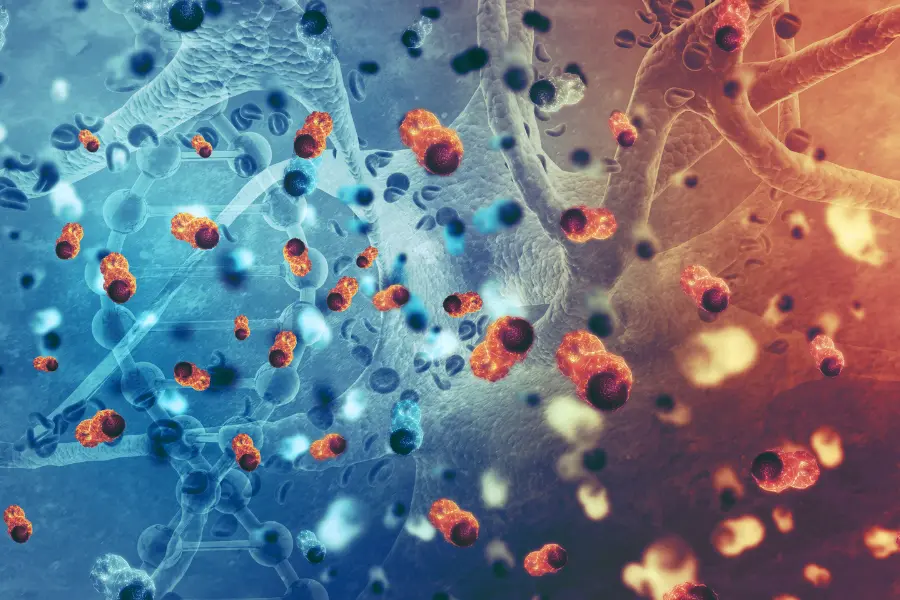
Recently, Calidi Biotherapeutics developed a new treatment called CLD-201. This is a stem cell-based oncolytic virus specifically designed to target and destroy cancer cells. Given its unique properties, the FDA has designated it a “Fast Track Cancer Therapy,” which could revolutionize cancer treatment in the future.
The advantage of this type of stem cell-based treatment is that it can target tumors more precisely. This means it may have fewer side effects compared to traditional methods like chemotherapy or radiation.
Additionally, if CRISPR gene editing is added, these stem cells can be further advanced, enabling them to attack cancer cells more effectively than before.
CRISPR Gene Editing: Redefining Cancer Treatment
CRISPR gene editing is considered one of the greatest breakthroughs in modern medicine. It can be considered a kind of molecular scissors, capable of making highly precise changes to DNA. It can be used to correct genetic defects that cause cancer. It also strengthens our immune cells, empowering them to recognize and eliminate tumors.
- The most commonly used technology is CRISPR Cas9. In this technique, a protein called Cas9 cuts DNA at the precise location, allowing the necessary editing to be done.
- CRISPR is currently being used in several clinical trials. Gene editing alters a patient’s T-cells in a way that significantly increases their ability to fight cancer. For example, certain genes, such as CISH, that normally suppress the immune system, are removed. This allows these cells to attack cancer more effectively.
- In this way, CRISPR is transforming cancer treatment from a general approach to highly personalized and targeted therapy. This has two major advantages—improved treatment outcomes and reduced damage to healthy cells.
CRISPR Cancer Treatment vs Traditional Cancer Therapy
Traditional cancer therapies often affect both healthy and diseased cells, resulting in serious side effects such as hair loss, fatigue, and weakened immunity.
In contrast, CRISPR gene editing and CRISPR Cas9 cancer treatments target only malignant cells, sparing healthy tissue. By modifying immune cells or cancer-related genes, CRISPR technology provides a highly targeted therapy that increases effectiveness while reducing risks.
Furthermore, combining stem cell therapy for cancer with CRISPR gene editing can have a dual effect: stem cells can deliver therapeutic agents to the tumor, while CRISPR-enhanced immune cells actively destroy cancer cells. This synergy represents a revolutionary step in the future of cancer treatment.
Immunotherapy for Cancer and CRISPR Technology
Immunotherapy is considered one of the most promising options for cancer treatment today. It activates the patient’s own immune system so that it can recognize and directly attack cancer cells.
If this therapy is combined with CRISPR gene editing and stem cell therapy, its effectiveness is even stronger. In fact, gene editing can alter immune cells so that they recognize cancer cells more accurately and survive longer in the body.
The combination of these three—CRISPR, immunotherapy, and stem cells—is working toward creating a personalized treatment strategy for cancer patients. The advantage is that treatment may be more effective and side effects may be reduced.
Initial research suggests that this approach may prove superior to traditional cancer treatments, especially for cancers that are very aggressive or that repeatedly return despite standard treatment.
Patient Benefits and Real-World Impact
Patients undergoing stem cell based cancer treatment combined with CRISPR gene editing may experience several advantages:
- Targeted Treatment: Only cancer cells are attacked, reducing collateral damage.
- Enhanced Immune Response: CRISPR-modified immune cells are stronger and more effective.
- Fewer Side Effects: Less damage to healthy tissues compared to traditional cancer therapy.
- Potential Long-Term Remission: Early studies suggest longer-lasting outcomes due to genetic and cellular precision.
- Personalized Care: Treatments can be tailored to the patient’s specific genetic profile, tumor type, and immune system.
By highlighting these benefits in patient communication, clinics can improve engagement while educating patients about the potential of these therapies.
Global Research and Clinical Trials
Research in CRISPR gene editing and stem cell therapy is advancing rapidly. Some notable studies include:
- CLD-201 trials in the U.S., which combine stem cell delivery with oncolytic viruses.
- CRISPR Cas9 gene editing clinical studies for blood cancers, where T-cells are modified to attack tumors more effectively.
- Ongoing research into CRISPR human gene editing to enhance immunotherapy outcomes.
These trials demonstrate the potential of these therapies to transform the future of cancer treatment, offering safer, more effective, and potentially curative options for patients worldwide.
Immunotherapy Cost and Accessibility
Cancer treatment is not only a medical challenge, but its cost is also a significant issue. Globally, immunotherapy can cost millions of dollars. While its cost in India is slightly lower, it still proves to be prohibitively expensive for many patients.
As advanced technologies like CRISPR gene editing and stem cell therapy advance, scientists and doctors aim to make these treatments more affordable and readily available.
If these therapies are adopted on a large scale, the biggest benefit will be that advanced cancer treatment will no longer be limited to wealthy countries, but will become accessible to more people across all walks of life. This step could truly democratize cancer treatment and make it accessible to all in the future.
Conclusion
The combination of stem cell therapy and CRISPR gene editing is being considered a major breakthrough in cancer treatment. Although this approach is still in its early stages, its results are showing that it could completely transform cancer treatment in the future.
Ongoing research is revealing that combining CRISPR Cas9 gene editing, CRISPR human gene editing, immunotherapy, and stem cell therapy could redefine cancer treatment. The aim is to provide patients with treatment that is safer, more effective, and more personalized.
This is a hopeful time for both patients and researchers. These new discoveries give us confidence that cancer may one day become not just a disease to be controlled, but also completely curable.
FAQs on Stem Cell Therapy, CRISPR & Immunotherapy for Cancer
What is CRISPR gene editing in cancer treatment?
CRISPR gene editing allows scientists to modify DNA to correct mutations or enhance immune cells to attack cancer more effectively. This technique forms the backbone of next-generation CRISPR cancer treatment.
How does stem cell therapy for cancer work?
Stem cell therapy uses undifferentiated cells that can transform into various tissues. In cancer, stem cells can deliver drugs or viruses directly to tumors, enhancing treatment precision.
Is CRISPR Cas9 cancer treatment safe?
Early clinical trials show promising results with minimal side effects. However, further research is required before it becomes widely available.
What is the immunotherapy cost in India?
While global immunotherapy costs are very high, the cost in India is lower but still significant. Advances in CRISPR gene editing and stem cell therapy aim to reduce costs over time.
Can CRISPR technology and stem cell therapy cure cancer?
These therapies are still in early stages, but research indicates they can greatly improve treatment outcomes, potentially leading to long-term remission or cures in the future.